
US Corporate

US Corporate
Want Employees Back in the Office? Fix Their Commute First
Lengthy, costly and unreliable commutes continue to be a driving force behind employee dissatisfaction, often out-weighing the perceived benefit of in-person collaboration.



The RTO push has moved from policy to enforcement, with major corporations doubling down on in person attendance as standard. A key roadblock to a successful transition has emerged: the daily commute. Lengthy, costly and unreliable commutes continue to be a driving force behind employee dissatisfaction, often out-weighing the perceived benefit of in-person collaboration. Businesses looking to increase office attendance and increase job satisfaction would do well to address the commuting challenge head on.
What are the key trends in RTO?
The RTO push vs. employee resistance
Major companies like Amazon, Dell and JPMorgan have since enforced full time return to office mandates, citing the benefits of increased collaboration, innovation and enhanced productivity. While leadership sees value in bringing employees back, workers on the ground remain unconvinced. Employee pushback is at an all time high, with surveys indicating that nearly half of hybrid or remote workers would consider leaving should they be forced to return to the office full time; with employees ranking commuting as one of the top reasons for resisting RTO policies.
Hybrid working remains the norm
In spite of the push towards in-office attendance, hybrid working models continue to dominate the work landscape; office occupancy across major US cities still averages around 55% of pre-pandemic levels, peaking at roughly 65% on Tuesdays (Kastle Systems), many businesses are hesitant to enforce rigid RTO mandates for fear of losing top talent.
The autonomy, flexibility and financial freedom gained by remote or hybrid working has created expectations around ways of working that, post-pandemic, very few are willing to accept once more.
Employers must adapt to evolving workforce expectations
Businesses looking to retain and engage employees in an RTO environment must proactively address commuting challenges. Understanding that, employers need to make their workforce part of the decision making process and create space for concerns to be raised and suggestions about commuting can be openly discussed. By engaging in regular feedback through surveys, town hall meetings, or one-on-one sessions, companies can pinpoint the specific transportation pain points their employees face.
CBRE's 2026 Americas Office Occupier Sentiment Survey backs this up: location is the single biggest barrier to office attendance, and no amount of workplace investment will offset a long or difficult commute.
What role can Zeelo play in solving commuting challenges?
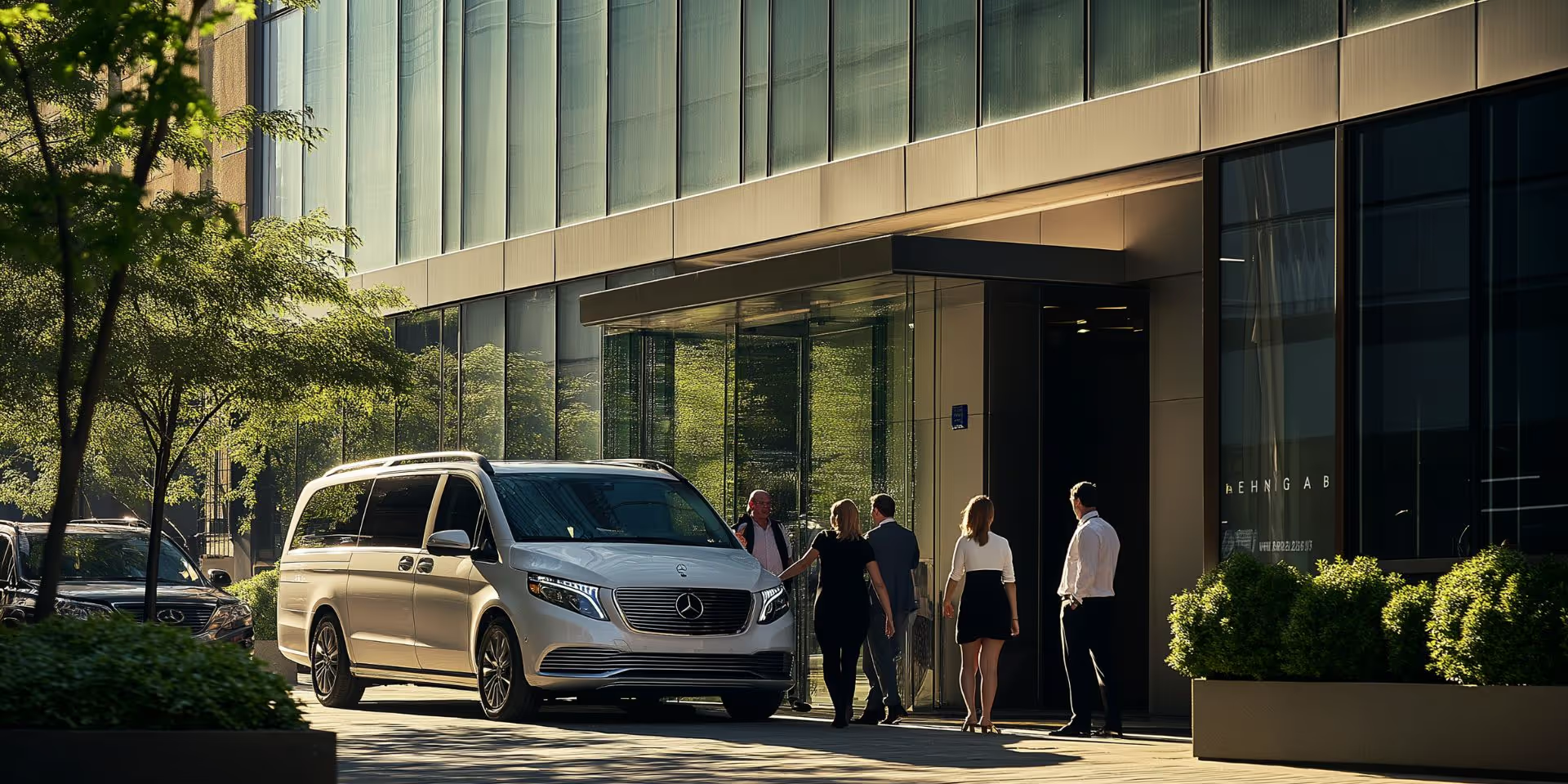
Zeelo provides smart, sustainable and employee-first transportation solutions to help businesses reduce commuting barriers and ease resistance around RTO mandates. Such measures not only alleviate the logistical challenges of commuting, but also demonstrate a genuine commitment to employee wellbeing and work/life balance. Adapting to evolving expectations and making employees part of the conversation can foster a culture of trust, transparency and inclusivity; making the transition back to the office more accessible and appealing to top talent.
Employee-centric commutes - Zeelo’s customized shuttle services address the pain points of long, taxing, costly and inconvenient commutes:
- Flexible transportation solutions like home to work, last mile connectivity, park and ride or intra-campus can make commuting smoother and more predictable.
- Financial relief for employees who might otherwise be deterred from returning to work, with Zeelo riders saving $1,500 annually on average in commuting costs.
- Employees reclaim valuable time spent commuting, reducing stress and boosting job satisfaction.
Employer benefits - It’s not just employees who benefit from a Zeelo service, with employers seeing direct and measured benefits:
- Reliable commuting solutions reduce the likelihood of employees missing work
- Businesses can attract talent from further afield, in areas previously considered impractical due to commuting challenges.
- Businesses partnering with Zeelo report notable improvements in retention and employee satisfaction.
- Lower costs tied to expanding parking infrastructure needed to accommodate all employees returning to the workplace
Corporate Sustainability - Businesses looking to implement RTO mandates while meeting sustainability targets can leverage Zeelo’s eco-conscious approach:
- Carbon neutral rides as standard, with access to electric vehicles to further support corporate sustainability goals and scope 3 emissions reduction.
- Data-driven route optimization and AI-planning to minimize mileage, cut emissions, reduce passenger load factor and improve efficiency.
Technology-powered solutions - Creating a smooth, transparent and stress free commuting experience, powered and delivered by technology:
- Employees and employers can monitor shuttle locations in real time for improved planning.
- Businesses can gain insight into transport utilization, occupancy and performance to help refine services and maximize efficiency.
- Sophisticated digital onboarding featuring an intuitive rider app, RFID integration, and 24/7 live support to ensure a seamless and secure experience from day one.
RTO mandates or encouragement can only succeed if businesses recognize and mitigate the challenges posed by commuting. A proactive approach to transportation can ease the transition, improve morale and ensure that businesses retain their best talent.
Investing in smarter commuting is not just about getting employees back into the office, it's about creating a more engaged, productive and satisfied workforce. Fix the commute, and your employees will follow.
In This Article:
ABOUT ZEELO
We help companies and schools achieve their transportation program goals
COMMUTERS
Corporate shuttles

Retain employees, increase happiness

COMMUTERS
Warehouse/Distribution
Attract employees, increase productivity

EDUCATION
Schools & Universities

Save 20% on running costs & deliver a 100% safe school transportation program

OPERATORS
Become a partner
Increase revenue and access contracts in your area

Want to know how we can help you?
Get in touch for a free consultation to see how zeelo could help your business.

More articles like this one

Trusted. Every trip.
Zeelo is the smart bus platform for organizations. We design, manage and optimize transport programs to help our clients achieve their goals.


